
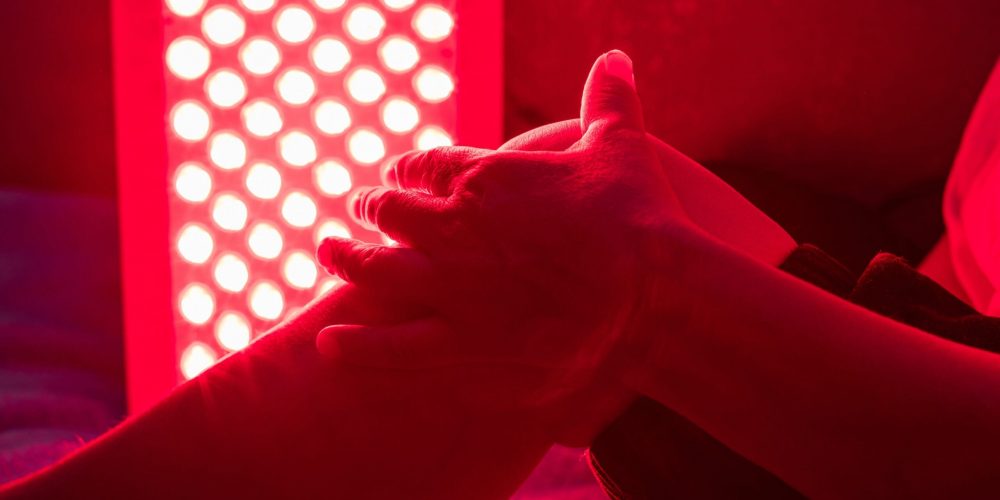
Red light therapy has emerged from the realm of experimental treatment to become a scientifically- backed wellness tool used by healthcare professionals, athletes, and wellness enthusiasts worldwide. But what exactly happens when specific wavelengths of light interact with your cells, and how can you harness this knowledge for genuine health benefits?
The Cellular Foundation: Why Your Body Responds to Light
The effectiveness of red light therapy isn’t mystical—it’s rooted in fundamental cellular biology. Inside your cells are specialized molecules called chromophores, which act as natural “light receptors.” These include cytochrome c oxidase in your mitochondria, porphyrins involved in oxygen transport, and hemoglobin in your blood.
When these chromophores absorb specific wavelengths of red and near-infrared light (typically 630-850 nanometers), they trigger a cascade of beneficial cellular responses. The most crucial is the stimulation of cytochrome c oxidase, which enhances ATP (cellular energy) production in your mitochondria essentially giving your cells more fuel to perform repair and regeneration functions.
This process, known as photobiomodulation, has been extensively studied and validated by research institutions including the National Institutes of Health, which states that these light wavelengths lead to “increased cellular energy, improved healing, and reduced inflammation.”
Targeted Wavelengths for Specific Benefits
Not all red light is created equal. The most effective therapeutic results come from precise wavelength ranges: Red Light (630-670nm) penetrates the upper layers of skin and is particularly effective for:
- Stimulating collagen and elastin production
- Reducing fine lines and improving skin texture
- Supporting wound healing and tissue repair
- Addressing surface-level inflammation and redness
Near–Infrared Light (810-850nm) penetrates deeper into tissues and supports:
- Muscle recovery and pain relief
- Joint health and mobility
- Enhanced circulation and lymphatic drainage
- Deeper cellular repair processes
SECOTRA’s approach emphasizes this scientific precision, using validated wavelength combinations rather than following marketing trends or pursuing unnecessarily high power outputs that may actually reduce therapeutic effectiveness.
The Critical Importance of Proper Dosing
One of the most misunderstood aspects of red light therapy is dosing. More light and longer sessions don’t automatically equal better results. Red light therapy follows what’s called a biphasic dose response -meaning there’s an optimal therapeutic window where benefits are maximized.
Understanding this concept is crucial because exceeding the optimal dose can actually decrease therapeutic benefits. Think of it like exercise: moderate, consistent training builds strength and endurance, while excessive training can lead to injury and setbacks. Similarly, excessive light exposure can overwhelm cellular repair mechanisms and potentially cause oxidative stress rather than supporting healing.
For Skin Health and Cosmetic Benefits:
- Sessions typically need only 3-5 minutes per area
- Facial treatments often require even shorter durations due to thinner, more sensitive skin
- Overdoing treatments on sensitive facial skin can cause irritation, redness, or temporary darkening
- Consistency matters more than intensity-daily gentle treatments often outperform infrequent intense sessions
For Deeper Therapeutic Benefits:
- Muscle recovery and joint support may require 10-15 minutes per area
- Larger muscle groups or post-workout recovery can benefit from 15-20 minute sessions.
- Full-body treatments can extend to 20-30 minutes depending on device coverage
- 3-5 sessions per week typically provide optimal results, with some protocols benefiting from daily use during acute phases
Distance and Power Considerations:
The relationship between device distance, power output, and treatment time is critical. Higher-powered devices require shorter treatment times or greater distances to avoid overexposure. This is why SECOTRA’s approach focuses on consistent, measured irradiance rather than simply maximizing LED count or claiming the highest power numbers-which can actually make devices harder to use safely and effectively.
Evidence-Based Applications: From Research to Real Results
The scientific literature supporting red light therapy continues to expand, with applications now spanning dermatology, sports medicine, wound care, and neurological health. Understanding these evidence- based applications helps distinguish legitimate therapeutic uses from overhyped marketing claims.
Dermatological Applications:
Clinical studies have demonstrated red light therapy’s effectiveness for various skin conditions. Research published in dermatological journals shows that 630-670nm wavelengths can significantly improve acne by reducing inflammatory lesions, while also supporting overall skin health through enhanced collagen production. For individuals with rosacea, gentle red light treatments can help reduce redness and inflammation without the side effects of topical medications.
Post-inflammatory hyperpigmentation, often the most stubborn remnant of acne breakouts, responds particularly well to consistent red light therapy. The enhanced cellular turnover and improved circulation help fade dark spots more rapidly than passive healing alone.
Athletic Performance and Recovery:
Professional sports teams and Olympic training centers increasingly incorporate red light therapy into their recovery protocols. The therapy’s ability to reduce delayed onset muscle soreness (DOMS) and accelerate tissue repair makes it valuable for athletes managing intense training schedules.
Research indicates that pre-exercise red light exposure can enhance performance by “priming” mitochondria for increased energy production, while post-exercise treatments focus on reducing inflammation and supporting muscle protein synthesis for faster recovery.
Wound Healing and Scar Management:
Perhaps nowhere is red light therapy’s therapeutic potential more evident than in wound healing applications. The therapy’s ability to stimulate angiogenesis (new blood vessel formation), enhance fibroblast activity, and optimize collagen deposition makes it valuable for both acute wounds and chronic healing challenges.
For surgical scars, the timing and protocol of red light therapy can significantly influence final appearance and tissue quality. Early intervention during the proliferative phase can reduce excessive scar tissue formation, while later treatments during the remodeling phase can improve scar pliability and appearance.
Neurological and Cognitive Benefits:
Emerging research explores red light therapy’s potential for neurological applications, including traumatic brain injury recovery, neurodegenerative disease support, and cognitive enhancement. Near-infrared wavelengths can penetrate the skull and reach brain tissue, potentially supporting mitochondrial function in neurons and reducing neuroinflammation.
While this represents frontier research requiring more clinical validation, preliminary studies suggest intriguing possibilities for supporting brain health through targeted light therapy protocols.
- Phase 1 (0-72 hours post-procedure): Medical supervision recommended before beginning any light therapy
- Phase 2 (3 days-2 weeks): Gentle, targeted treatments can support tissue formation and reduce inflammation while maintaining proper wound care protocols
- Phase 3 (2 weeks-2 months): More intensive treatments help optimize collagen organization, potentially reducing scar formation and improving tissue elasticity
- Phase 4 (2-6+ months): Continued therapy supports scar maturation and long-term tissue health
This clinical framework demonstrates red light therapy’s versatility beyond cosmetic applications, extending to serious therapeutic support under appropriate medical guidance.
Advanced Protocol Considerations:
Professional treatment protocols often incorporate additional variables beyond basic timing and wavelength selection. Pulsed light delivery, where LEDs cycle on and off at specific frequencies, may enhance therapeutic effects by preventing thermal buildup and potentially triggering additional cellular signaling pathways.
The integration of multiple wavelengths within single treatment sessions-combining red and near- infrared, or even incorporating blue light for antimicrobial effects-represents an evolving area of clinical practice. However, these advanced protocols require careful consideration of cumulative dose effects and potential interactions between different wavelengths.
Patient Selection and Contraindications:
While red light therapy has an excellent safety profile, certain conditions require special consideration. Patients with photosensitive disorders, those taking medications that increase light sensitivity, or individuals with certain types of cancer may need modified protocols or medical supervision.
Active infections at treatment sites generally contraindicate red light therapy until resolved, as the therapy’s circulation-enhancing effects could theoretically spread infection. Similarly, pregnancy requires careful risk-benefit analysis and medical consultation before beginning any light therapy regimen.
Safety Considerations and Realistic Expectations
Red light therapy’s safety profile is excellent when used correctly-it contains no UV radiation and is non-invasive. However, several important considerations ensure both safety and effectiveness:
Essential Safety Practices:
- Always protect your eyes or avoid looking directly into LED arrays
- Start with shorter sessions and gradually increase based on your body’s response
- Those taking photosensitizing medications should consult healthcare providers first
- Pregnant women should seek medical approval before beginning treatments
Setting Realistic Expectations:
Quality red light therapy devices and protocols can provide meaningful benefits, but they’re not miracle cures. Results typically become noticeable after 4-8 weeks of consistent use, with optimal benefits often requiring 3-6 months of regular sessions.
Choosing Quality Over Marketing Hype
The red light therapy market is flooded with devices making exaggerated claims. When evaluating options, focus on:
- Verified wavelength specifications (look for third-party testing)
- Honest power output measurements (irradiance at working distance, not theoretical maximums)
- Evidence-based design rather than simply pursuing the highest LED counts
- Transparent company practices and realistic benefit claims
- Proper customer support for questions about protocols and usage
Understanding Device Specifications:
Many manufacturers tout impressive-sounding numbers that don’t translate to practical effectiveness. For example, a device claiming “1000W of power” might sound impressive, but if that power is spread across a large area or measured at LED source rather than working distance, the actual therapeutic irradiance may be insufficient.
More meaningful specifications include:
- Irradiance at working distance (measured in mW/cm2)
- Actual wavelength output (verified by spectral analysis, not just LED chip specifications)
- Beam angle and coverage area (affects treatment uniformity)
- Thermal management (prevents wavelength drift and ensures consistent output)
The Importance of Third-Party Testing:
Reputable manufacturers invest in independent laboratory testing to verify their specifications. This testing should include spectral analysis to confirm wavelength output, irradiance measurements at various distances, and thermal performance evaluation under normal operating conditions.
SECOTRA’s commitment to third-party verification reflects their dedication to transparent, evidence- based device development rather than simply making the most impressive marketing claims.
Evaluating Clinical Claims:
Be wary of devices claiming to cure specific diseases or making FDA- unauthorized medical claims. Legitimate red light therapy companies focus on the established mechanisms of photobiomodulation and let users experience the benefits rather than promising unrealistic outcomes.
Look for companies that provide:
- Scientific references supporting their design choices
- Realistic timelines for experiencing benefits
- Honest discussion of limitations and contraindications
- Clear protocols for different applications
- Responsive customer support for technical questions
Companies like SECOTRA distinguish themselves by providing extensive scientific backing, honest dosing guidelines, and realistic expectations rather than overselling capabilities.
Integrating Red Light Therapy Into Your Wellness Routine
For those ready to explore red light therapy, success comes from consistency and proper implementation:
Beginners should:
- Start with 3-5 minute sessions every other day
- Monitor skin response and adjust accordingly
- Focus on one primary goal (skin health, recovery, etc.)
- Maintain realistic timeline expectations
Advanced users can:
- Develop targeted protocols for specific areas or concerns
- Combine with complementary wellness practices
- Track progress through photos or wellness journals
- Consider professional guidance for therapeutic applications
Creating Sustainable Routines:
The most successful red light therapy users develop consistent, sustainable routines rather than sporadic intensive sessions. This might mean incorporating 10-15 minutes of red light therapy into morning or evening routines, treating it as a form of “light meditation” that provides both physical and mental wellness benefits.
Environmental factors can enhance the therapeutic experience. Using red light therapy in a calm, comfortable setting while practicing deep breathing or gentle stretching can amplify both the physiological and psychological benefits of treatment.
Combining with Other Modalities:
Red light therapy often works synergistically with other wellness practices. For skin health, combining red light treatments with proper hydration, quality skincare, and sun protection maximizes results. For athletic recovery, pairing red light therapy with proper nutrition, adequate sleep, and appropriate rest periods creates a comprehensive recovery protocol.
Some users find benefits in combining red light therapy with meditation, yoga, or other mindfulness practices, using the treatment time as an opportunity for mental relaxation and stress reduction.
Tracking Progress and Adjusting Protocols:
Successful red light therapy requires patience and careful observation. Taking baseline photos before beginning treatment, then periodic progress photos, helps document gradual improvements that might not be immediately apparent day-to-day.
Keeping a simple wellness journal noting treatment times, settings, and subjective feelings can help identify optimal protocols and timing for individual needs. This documentation becomes particularly valuable when working with healthcare providers to integrate red light therapy into comprehensive treatment plans.
The Future of Light-Based Wellness
As our understanding of photobiomodulation continues to evolve, red light therapy represents just one aspect of how specific light wavelengths can support human health. Emerging research explores combinations of red, near-infrared, and even blue light for targeted therapeutic applications.
Emerging Technologies and Applications:
The field of photobiomodulation is rapidly expanding beyond traditional red light therapy. Researchers are investigating pulsed light protocols that may enhance cellular signaling, combination therapies that integrate multiple wavelengths simultaneously, and even personalized light therapy protocols based on individual genetic profiles and cellular responses.
Blue light therapy is gaining recognition for applications beyond acne treatment, including circadian rhythm regulation, seasonal affective disorder management, and antimicrobial applications. The integration of blue and red light in single devices opens possibilities for comprehensive treatment protocols addressing multiple aspects of health simultaneously.
Precision Medicine and Light Therapy:
Future developments may include more personalized approaches to light therapy, with treatment protocols adjusted based on individual factors such as skin type, genetic markers affecting mitochondrial function, and specific health conditions or goals.
Wearable technology and loT integration could enable real-time monitoring of treatment responses, automatically adjusting parameters for optimal outcomes while preventing overexposure or undertreatment.
Research Frontiers:
Current research frontiers include the investigation of light therapy for neurodegenerative diseases, metabolic disorders, and immune system modulation. While these applications remain experimental, they demonstrate the expanding potential of targeted light therapy beyond current established uses.
The development of more precise delivery methods, including fiber optic systems for internal applications and targeted laser systems for specific cellular populations, may expand therapeutic possibilities while maintaining the non-invasive nature that makes red light therapy attractive.
Integration with Healthcare Systems:
As evidence continues to accumulate, red light therapy is likely to become more integrated into conventional healthcare systems. This integration will require standardized protocols, professional training programs, and quality assurance measures to ensure consistent, safe, and effective treatments.
The development of evidence-based guidelines for specific conditions and applications will help healthcare providers incorporate light therapy into comprehensive treatment plans, moving beyond the current landscape of largely consumer-driven applications.
The key to benefiting from this technology lies in approaching it with the same scientific rigor that drives the research-understanding the mechanisms, respecting proper protocols, and maintaining realistic expectations while staying consistent with evidence-based practices.
For those seeking to explore the genuine potential of red light therapy, SECOTRA offers scientifically- grounded devices designed around real-world effectiveness rather than marketing metrics, backed by transparent research and honest guidance about what this remarkable technology can and cannot— accomplish.
This article is for educational purposes and should not replace professional medical advice. Always consult with healthcare providers before beginning any new therapeutic regimen, especially if you have underlying health conditions or are recovering from medical procedures.
